 I
I
The Economy of Communion is a group made up of laypeople, entrepreneurs and business owners, and academics committed to promoting and practicing an economic culture which is oriented around people, and communion together. The concepts of gratuity and reciprocity are key to them in thinking about business practices, and they see themselves to be offering an alternative to typical business practices that we find in the world around us. They sometimes refer to their way of thinking as a “culture of giving”.
Those who participate in the Economy of Communion are committed to run their businesses in ways which demonstrate the values of EoC. While financial poverty is a concern, there is also the significant poverty of isolation and being disconnected from society which EoC sees as a key problem. They seek to encourage engagement with anyone who are willing to “conceive and live their activity as a vocation and service for the common good, aiming at the excluded in every part of the world and every social context…” (from their website).
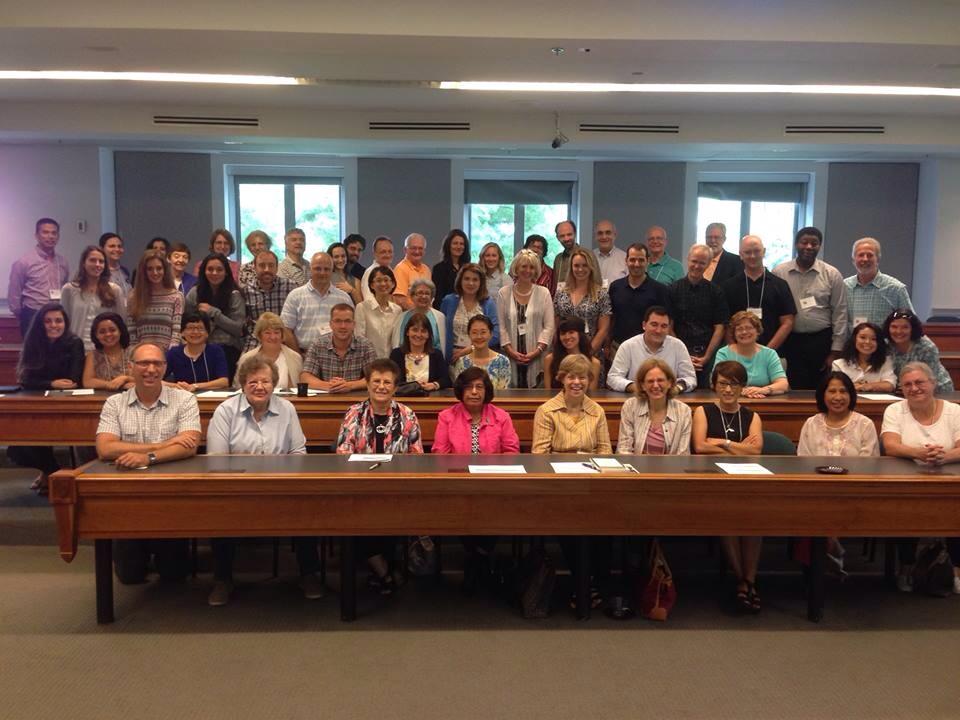
I had the wonderful opportunity to go to the 2015 meeting held in Washington D.C. this weekend. There I got to meet a lot of interesting and committed people who see in business a means to transform the lives of others, and to bring them into communion with others. There were many varied stories about how that was practically lived out. One filmmaker shared his experience in upstate New York of finding himself developing a community of artists and people involved in film, and helping establish a common space for them to work– even though some of them are his competition. One construction business owner shared his experience of being involved in very difficult negotiations with the lawyers of a company suing him, but taking time to discuss a personal concern of one of the opposing lawyers, and soon they were all sharing problems together and sympathizing across the table. That (obviously) changed the whole nature of the meeting, and in the end, the opposing company ended up being much more gracious than they would have otherwise. Another company owner involved in information technology services shared an opportunity he had had to collude with another minority company to get some government money for a large project, and turning it down because of his commitment to the EoC values.
These were business people firmly committed to doing business in a way which looks beyond the bottom line.
There is more to it than just ‘doing the right thing’ though. There are ways that these business owners spend their money– not just on themselves, but in ways which are beneficial to others. There is a strong commitment to bring what some might consider overly-generous benefit to employees and customers above and beyond what is necessary or expected normally. But that is the generosity and culture of reciprocity which they want to live out.
The EoC, while its origins are from the Focolare movement of a group of Catholics, is open to all, not just Catholics, and not just Christians– there was one Muslim at the meeting as well. What the EoC does well is try to bring faith and spirituality to bear on how someone conducts their business– the values we often profess are hard to live out concretely because we get so focused on the tasks at hand, but there is a great deal of satisfaction living out your values through your work practices and how you run your business.
If you have an interest in being a part of the EoC, let me know. After doing a brief presentation for them about my rental projects, they welcomed me in as one of them! 🙂
 Business, Faith, and the Common Good Institute